UPI Checkout Optimization
Small checkout improvements that reduce drop-off and make it easier for customers to finish payment on mobile.
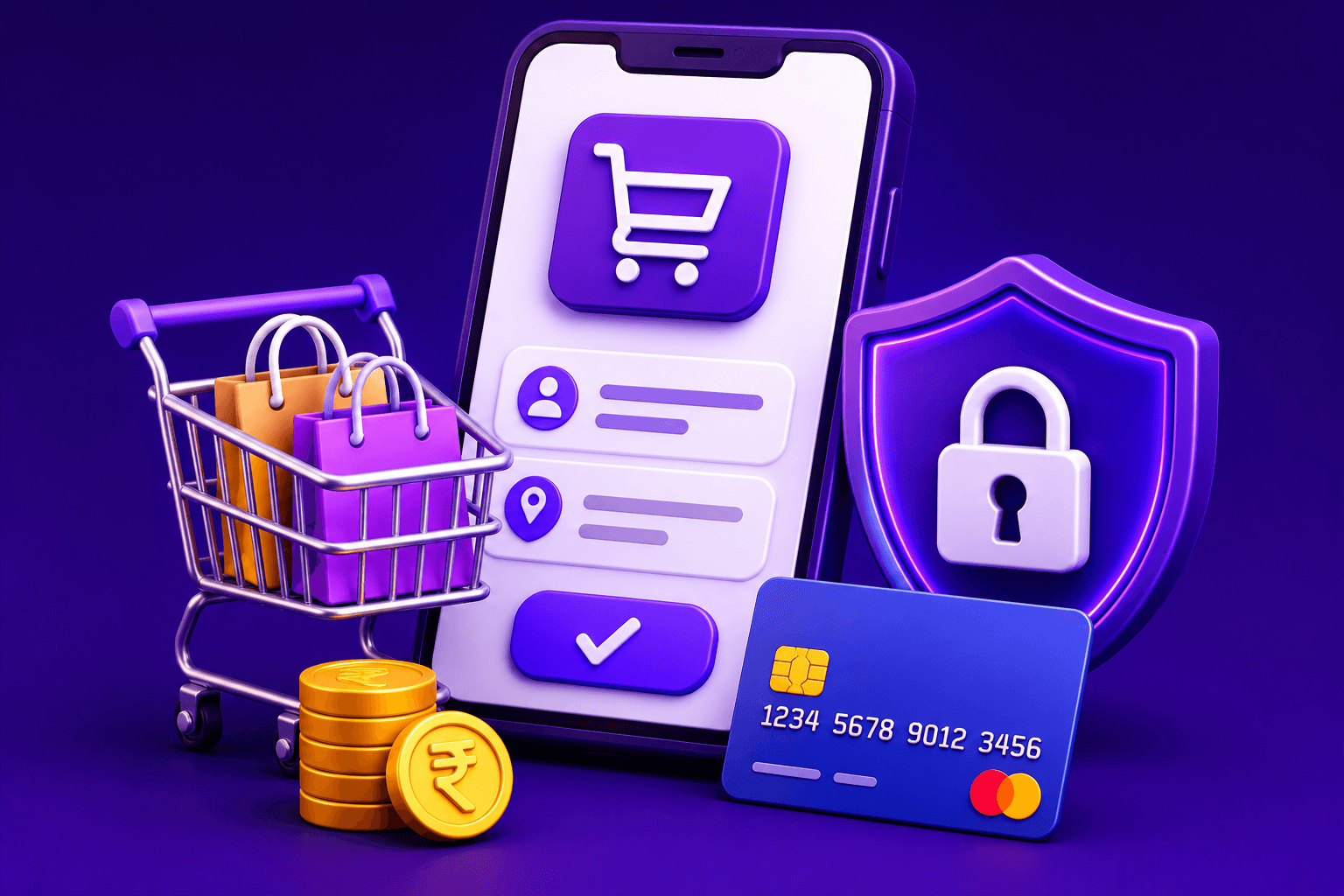
UPI Checkout Optimization
UPI checkout optimization focuses on improving the payment experience so customers can complete purchases faster with fewer drop-offs. In Indian ecommerce, most users browse and pay directly from mobile devices using UPI apps like Google Pay, PhonePe, Paytm, and BHIM. Even small issues during checkout can reduce conversions and increase abandoned carts.
A slow checkout flow, confusing payment steps, poor mobile design, or failed payment redirects can create hesitation and frustration. Customers expect checkout to feel simple, secure, and fast. Businesses that optimize their checkout experience often see higher payment success rates and better customer retention.
One of the biggest problems in ecommerce checkout is unnecessary complexity. Many stores force account creation, ask for too much information, or use long multi-step checkout flows. Every extra step increases the chance that users leave before payment completion. A better approach is to keep checkout short and focused.
An optimized checkout flow usually looks like this:
Cart → Address → Payment → Success
This reduces friction and helps customers complete orders quickly.
Mobile optimization is especially important because most Indian ecommerce traffic comes from smartphones. Checkout pages should load quickly, use large touch-friendly buttons, minimize typing, and avoid cluttered layouts. Slow-loading pages or lag during payment can directly impact revenue.
Trust also plays a major role during payment. Customers want reassurance that the transaction is secure. Showing trusted payment methods, secure checkout badges, SSL indicators, and clear order summaries helps reduce hesitation. Buyers should immediately understand the final amount they are paying, including delivery charges and taxes.
Businesses should also support direct UPI app intent flows so users can quickly open apps like Google Pay or PhonePe without unnecessary redirects. If payment fails, customers should be able to retry instantly without restarting the entire checkout process.
Another important factor is reducing cognitive load. Simple forms, clear CTAs, minimal distractions, and clean UI design help users focus on completing payment. Checkout buttons should use action-oriented text such as “Pay Securely with UPI” instead of generic labels like “Continue.”
Checkout optimization can be measured using important ecommerce metrics such as checkout conversion rate, cart abandonment rate, and payment success rate.
Checkout\ Conversion\ Rate = \frac{Successful\ Orders}{Checkout\ Sessions} \times 100
Cart\ Abandonment\ Rate = \frac{Abandoned\ Carts}{Initiated\ Checkouts} \times 100
Payment\ Success\ Rate = \frac{Successful\ Payments}{Payment\ Attempts} \times 100
Indian ecommerce businesses should also optimize for varying network conditions. Compressing assets, reducing heavy scripts, and improving API performance can significantly improve checkout speed on slower mobile networks.
A well-optimized UPI checkout experience improves more than just payments. It increases trust, reduces cart abandonment, improves customer satisfaction, and helps businesses generate more revenue from existing traffic. Even small improvements in speed, clarity, and mobile usability can create a noticeable impact on ecommerce conversion rates.
For ecommerce platforms targeting Indian sellers, mobile-first UPI checkout optimization is no longer optional. It has become one of the most important parts of building a successful online selling experience.
More From ScaleVend
More articles
How to Start an Online Business in India
A practical beginner guide to choosing what to sell, setting up payments, and launching your first store without a large budget.
Shopify vs ScaleVend
A simple comparison for Indian sellers covering setup speed, payments, mobile selling, and what matters when you are just getting started.

How to Sell on Instagram
Turn reels, DMs, and product posts into real orders with a repeatable flow for trust, discovery, and checkout.
Ecommerce SEO Guide
Learn how product pages, category pages, and educational content can bring organic traffic from Google over time.
Best Payment Gateways in India
A founder-friendly look at UPI, cards, settlements, and what to evaluate before choosing a payment partner.